
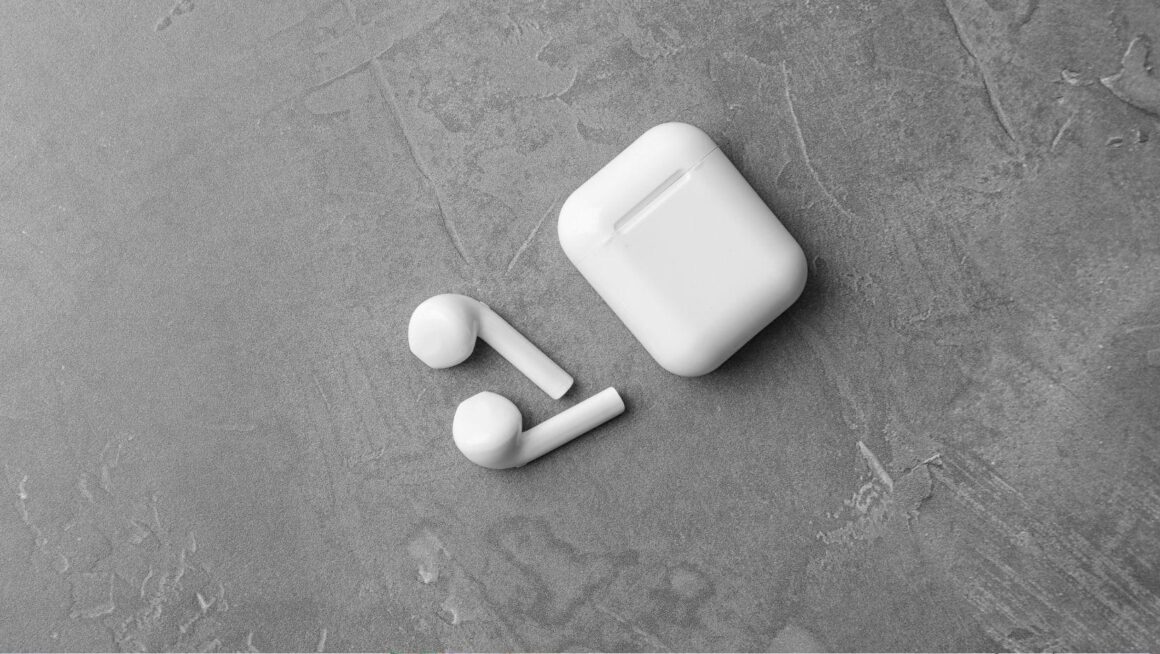
Earphones have become an essential companion in daily life, whether you are commuting, working out, or simply relaxing at home. With wireless earbuds now a staple accessory, protecting them with a case that reflects your personal style has never been more important. A custom earphone case offers both practical protection and a unique way to express individuality. This guide walks you through every stage of creating and ordering a personalized earphone case, from initial concept to final product, ensuring you make informed decisions along the way.
Whether you are a brand looking to create promotional merchandise, a retailer seeking unique inventory, or an individual wanting something truly one-of-a-kind, understanding the design and production process will help you achieve the best possible result. The following sections break down materials, design considerations, manufacturing steps, and tips for getting the most value from your investment.
Understanding Materials and Their Impact on Protection
The foundation of any great earphone case lies in the materials used during manufacturing. Different materials offer varying levels of durability, flexibility, and aesthetic appeal. Silicone remains one of the most popular choices due to its shock-absorbing properties and soft-touch feel. It provides excellent grip, reducing the chance of accidental drops, and can be manufactured in virtually any color imaginable.
Hard polycarbonate shells offer superior scratch resistance and maintain their shape over time. They work particularly well for cases featuring printed designs or intricate artwork, as the smooth surface allows for high-resolution printing. TPU, or thermoplastic polyurethane, bridges the gap between silicone and hard plastic, offering flexibility with enhanced durability. When selecting a custom earphone case, understanding these material properties helps you choose the right foundation for your specific needs.
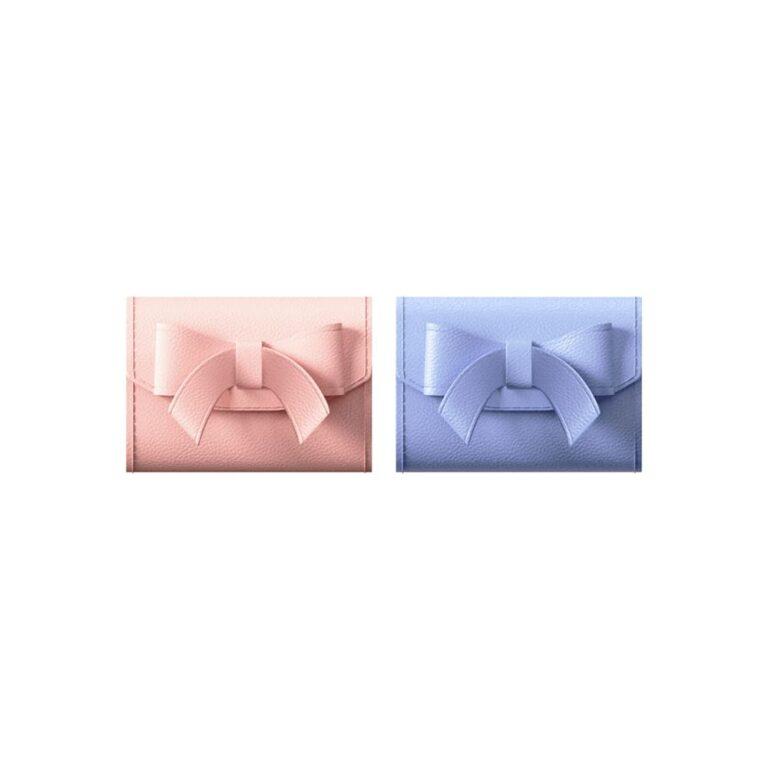
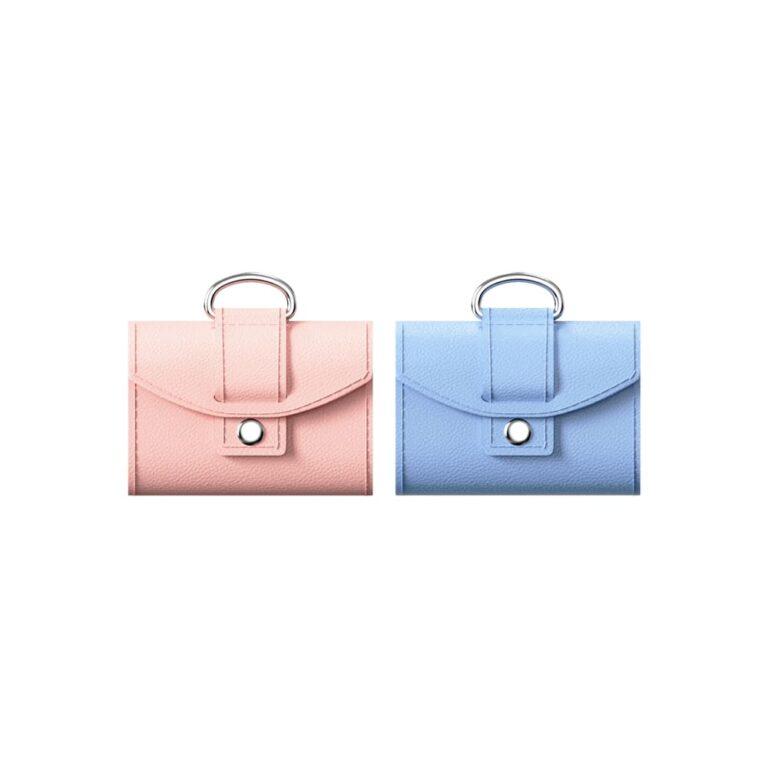
Leather and faux leather options cater to those seeking a premium, professional appearance. These materials age gracefully and develop character over time, though they require more careful maintenance. Some manufacturers also offer hybrid designs that combine multiple materials, such as a hard shell with silicone bumper edges, maximizing both protection and style.
Planning Your Design from Concept to Mockup
Before diving into production, a well-thought-out design plan saves time and prevents costly revisions. Start by identifying the primary purpose of your custom case. Is it a corporate gift requiring logo placement? A retail product needing broad market appeal? Or a personal project where creative freedom takes priority?
Consider the dimensions of the earphone model your case will fit. Cases designed for Apple AirPods differ significantly from those built for Samsung Galaxy Buds or Sony WF series. Precise measurements ensure a snug fit that does not compromise access to charging ports, pairing buttons, or LED indicators. Most manufacturers provide templates or dimension guides specific to popular earphone models.
Color psychology plays a significant role in design decisions. Neutral tones like black, navy, and gray appeal to professional audiences, while vibrant hues and patterns attract younger demographics. If you are designing for a brand, ensure the color palette aligns with existing brand guidelines. Typography, if included, should remain legible at the small scale of an earphone case and complement rather than overwhelm the overall composition.
Digital mockups serve as the bridge between imagination and reality. Most design teams use software such as Adobe Illustrator or Procreate to create vector artwork that scales cleanly to production dimensions. Request a three-dimensional rendering from your manufacturer before approving production. This step reveals how artwork wraps around curved surfaces and identifies potential issues with seam placement or button cutout alignment.
Choosing the Right Printing and Customization Techniques
The method used to apply your design onto the case dramatically affects the final appearance, durability, and cost. Understanding available techniques helps you match the right process to your project requirements and budget.
UV printing has become the industry standard for full-color, photographic-quality designs. This method uses ultraviolet light to instantly cure ink as it is applied, creating vibrant, scratch-resistant imagery. UV printing works on virtually any flat or slightly curved surface and supports both small and large production runs without significant cost differences per unit.
In-mold decoration, often abbreviated as IMD, embeds the design beneath a protective layer during the molding process itself. This creates an exceptionally durable finish that resists scratching, fading, and peeling far better than surface-applied prints. IMD is ideal for high-volume production where longevity is a priority, though it requires higher initial tooling costs.
For textured or three-dimensional effects, embossing and debossing add tactile interest to earphone cases. These techniques press designs into or out from the material surface, creating patterns you can feel. Laser engraving offers similar dimensional results with finer detail, particularly effective on leather and metallic finishes. Hot stamping with metallic foils adds luxury appeal, commonly used for brand logos and monogram designs.
Screen printing remains cost-effective for simple designs with limited colors. Each color requires a separate screen, making complex artwork more expensive. However, for single-color logos or text-based designs, screen printing delivers consistent results at a low per-unit cost, making it popular for large promotional orders.
Navigating the Manufacturing Process Step by Step
Once your design is finalized and your material selected, the manufacturing process follows a structured sequence. Familiarity with each stage helps you communicate effectively with production teams and set realistic timelines for delivery.
The process typically begins with mold creation or selection. For standard earphone models, manufacturers like Runsuncase maintain existing mold libraries, significantly reducing lead time and tooling costs. Custom shapes or unique form factors require new molds, adding several days to the production schedule. Mold quality directly impacts the precision of the final product, particularly around charging port cutouts and hinge mechanisms.
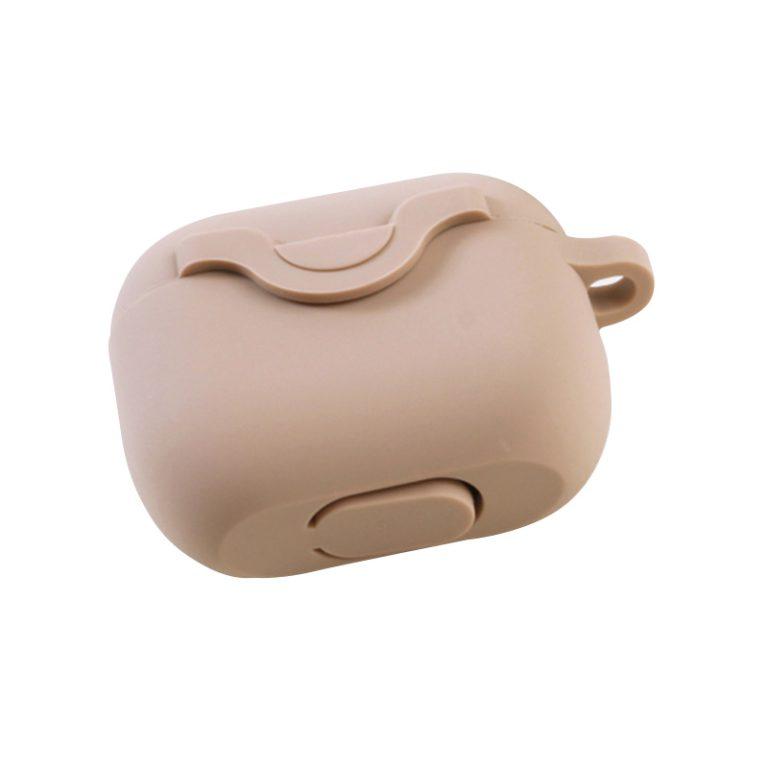
Material preparation follows mold readiness. Raw materials are mixed with colorants and additives to achieve the specified hardness, flexibility, and color. For silicone cases, this involves mixing liquid silicone rubber with catalysts and pigments before injection. Polycarbonate and TPU undergo pellet melting and injection molding, where molten material fills the mold cavity under high pressure.
After molding, cases undergo trimming to remove excess material from seam lines and gate points. Quality inspection at this stage catches any molding defects such as air bubbles, short shots, or warping. Cases that pass inspection move to the decoration phase, where your chosen printing or customization technique is applied. Post-decoration curing ensures ink or coating adhesion meets durability standards.
Assembly follows decoration for cases with multiple components. Hinges, magnets, carabiner clips, or keychain attachments are installed and tested for proper function. A final quality check verifies fit against the target earphone model, ensuring all ports align and the case opens and closes smoothly. Packaging and shipping preparation complete the manufacturing cycle.
Setting Minimum Order Quantities and Budget Expectations
Understanding the economics of custom earphone case production helps you plan appropriately regardless of project scale. Minimum order quantities vary significantly between manufacturers and depend heavily on the complexity of your design and chosen materials.
For UV-printed cases using existing molds, many manufacturers accept orders as low as fifty to one hundred units. This accessibility makes custom cases viable for small businesses, event merchandise, and limited-edition releases. IMD and in-mold labeling techniques typically require higher minimums, often starting at five hundred or one thousand units due to the setup costs involved in creating decoration molds.
Per-unit pricing decreases substantially with volume. A case costing several dollars at minimum quantity might drop by thirty to fifty percent at quantities above one thousand units. Factor in additional costs beyond the case itself, including packaging design, shipping, import duties if applicable, and any accessories like carabiner clips or dust plugs bundled with the product.
Sample orders before committing to full production are standard practice and highly recommended. Most manufacturers offer pre-production samples at a modest fee, allowing you to verify material quality, color accuracy, print resolution, and fit before investing in a large run. Budget two to three weeks for sample production and shipping, and always request samples in the exact material and finish you intend to order.
Quality Control Measures That Protect Your Investment
Rigorous quality control separates professional-grade custom earphone cases from disappointing results. Establishing clear quality standards before production begins ensures both you and your manufacturer share the same expectations.
Material testing verifies that the chosen substrate meets specifications for hardness, elasticity, and chemical resistance. Reputable manufacturers conduct shore hardness tests for silicone, impact resistance tests for polycarbonate, and flexibility cycling for TPU. These tests confirm the case will perform as expected throughout its lifespan under normal usage conditions.
Print adhesion testing ensures decorative elements remain intact through daily handling. Standard tests include cross-hatch adhesion tests where a grid pattern is scored into the printed surface and tape is applied and removed. The percentage of ink remaining indicates adhesion quality. Scratch resistance testing using standardized pencil hardness scales provides measurable durability benchmarks.
Dimensional accuracy checks confirm that every case in a production run fits the target earphone model precisely. Even minor deviations in port alignment or lid closure tolerance can render a case unusable. Manufacturers should provide measurement reports showing tolerances within acceptable ranges, typically plus or minus two-tenths of a millimeter for critical dimensions.
Experienced manufacturers working in the phone case manufacturing industry, such as Runsuncase, implement automated optical inspection systems alongside manual quality checks. These systems detect surface defects, color inconsistencies, and printing errors at speeds far exceeding human capability, ensuring consistent quality across large production runs.
Packaging and Presentation for Maximum Impact
How your custom earphone case arrives in the hands of the end user shapes their perception of quality and value. Thoughtful packaging elevates the unboxing experience and reinforces brand identity for commercial products.
Individual polybag packaging provides basic protection during transit at minimal cost, suitable for bulk promotional giveaways where presentation is secondary. Retail-ready packaging with printed cards, clear windows, or magnetic closure boxes adds perceived value and justifies higher retail pricing. Consider how your packaging appears both on physical shelves and in e-commerce product photography.
Sustainable packaging options increasingly influence purchasing decisions. Recycled cardboard boxes, soy-based inks, and minimal plastic usage appeal to environmentally conscious consumers. Some manufacturers offer biodegradable packaging materials that decompose within months rather than centuries, aligning your product presentation with growing consumer expectations around sustainability.
Include care instructions with each case, particularly for leather or specialty materials. A small insert card explaining proper cleaning methods and material properties reduces customer service inquiries and extends product satisfaction. For branded commercial products, this insert also provides an opportunity for additional marketing messaging or social media call-to-action prompts.
Common Pitfalls and Practical Tips to Avoid Them
Learning from common mistakes saves both time and money during the custom earphone case creation process. Many first-time buyers encounter avoidable issues that delay production or compromise final quality.
One frequent mistake involves submitting artwork at insufficient resolution. Designs that appear sharp on screen may print blurry when scaled to case dimensions. Always provide vector files or raster images at a minimum of three hundred dots per inch at the actual print size. Avoid enlarging small images, as pixel interpolation creates visible softness that becomes especially apparent on glossy surfaces.
Ignoring material color influence on print results leads to disappointment. A design that looks vibrant on a white background will appear muted when printed on a dark-colored case without a white base layer. Discuss with your manufacturer whether a white underprint is necessary to achieve accurate color representation on your chosen case color.
Overlooking functional considerations for aesthetic ones creates impractical products. Ensure your design does not obstruct the charging indicator LED, microphone holes, or speaker grilles. Cases with overly thick walls may not fit inside wireless charging pads. Balance visual appeal with everyday usability to create a product people actually enjoy using long-term.
Rushing the approval process often results in errors that are expensive to correct mid-production. Take time to review proofs carefully under different lighting conditions. Print colors can shift between screen displays and physical output. Request Pantone color matching for critical brand colors to ensure manufacturing consistency across multiple production runs over time.
Protecting What Matters Most
Creating a custom earphone case is a rewarding process that combines creative expression with practical device protection. From selecting the right materials and printing techniques to navigating manufacturing timelines and quality control protocols, each decision contributes to a final product that serves both form and function.
The key to success lies in thorough preparation. Define your goals clearly before approaching a manufacturer. Provide high-quality artwork with precise specifications. Request samples before committing to volume production. Establish quality benchmarks and verify them at every stage. These disciplined steps transform a simple accessory into something that genuinely reflects your vision or brand identity.
Whether you are producing a single prototype or thousands of units for retail distribution, the principles remain consistent. Invest time in the planning phase, communicate expectations clearly with your production partner, and never compromise on quality verification. Your earphones deserve protection that looks as good as it performs, and with the right approach, achieving that balance is entirely within reach.