
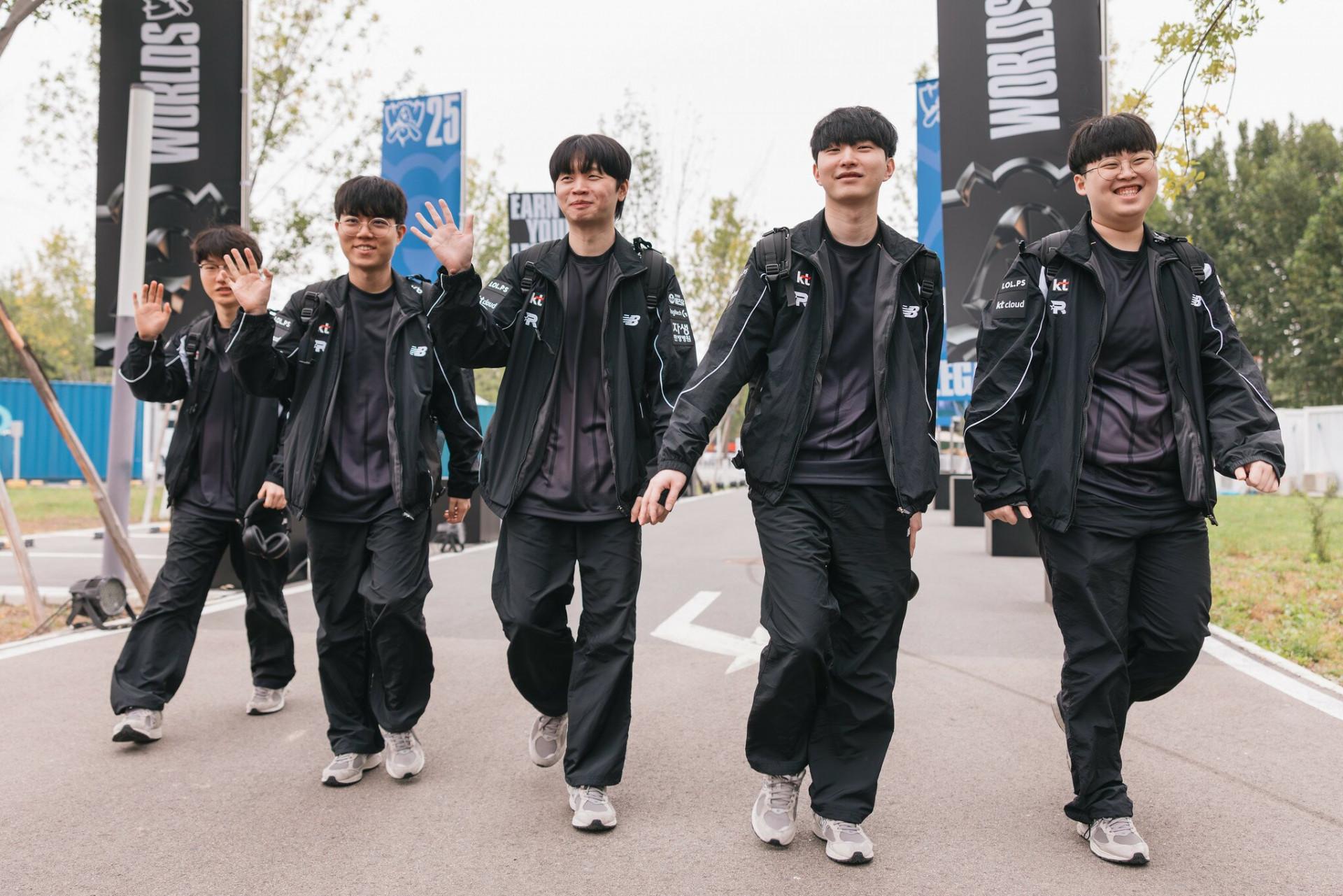
In modern esports, identifying strong game leaders has become an essential part of following competitive scenes. Fans are no longer just watching matches—they are analyzing strategies, leadership styles, and team dynamics in much greater depth than before. Game leaders shape the tempo of matches, influence decision-making, and often determine the success of entire rosters across different tournaments and seasons. Their impact can be seen not only in gameplay moments but also in how teams prepare and adapt between matches. Understanding how to find and evaluate these leaders can significantly improve how you experience competitive gaming. This guide explores practical methods for discovering top-performing teams and leadership structures. It also explains how rankings, performance data, and strategic analysis help reveal the most impactful figures in esports.
What Makes a Strong Game Leader in Competitive Esports
A strong game leader is not just a high-performing player but someone who can coordinate strategy, communicate effectively, and adapt under pressure in real time. In games like League of Legends, leadership often comes from the in-game shot-caller who directs rotations, engages in fights, and manages macro decisions throughout the entire match. These responsibilities require both mechanical understanding and deep strategic awareness.
Top-tier teams such as T1 and Gen.G Esports demonstrate how leadership impacts consistency across long competitive seasons. Their leaders are responsible for maintaining discipline during high-pressure situations and ensuring the team follows a unified game plan even when matches become unpredictable. Without strong leadership, even mechanically skilled rosters can struggle to perform at elite levels when facing coordinated opponents.
Leadership also includes emotional control, long-term planning, and adaptability to unexpected game states. Game leaders must adjust strategies based on opponent behavior, meta shifts, and in-game momentum swings that can happen within seconds. This makes leadership one of the most important yet complex roles in professional esports, as it combines psychology, strategy, and execution into one responsibility.
Using Rankings and Data to Discover Top Teams
One of the most effective ways to identify strong leaders is by analyzing team rankings and competitive performance data across multiple tournaments. Rankings reflect not only individual mechanical skill but also how well teams are coordinated under leadership pressure over time. Consistent high-ranking teams often have experienced leaders guiding their strategies through different metas and opponent styles.
When exploring competitive ecosystems, resources like lol pro teams ranking provide structured insights into team performance trends across regions and tournaments. Many fans rely on such rankings to understand which organizations are currently dominating the meta, and how leadership decisions influence match outcomes in high-stakes environments. These rankings often highlight stability, adaptability, and consistency as key indicators of success.
This analytical approach helps fans go beyond surface-level observations like win-loss records. Instead of focusing only on results, rankings reveal deeper performance patterns such as comeback potential, map control efficiency, and decision-making under pressure. These factors are often directly linked to leadership quality within the team structure and the ability to execute strategies consistently.
Understanding rankings also helps new viewers quickly identify which teams are worth following, especially in fast-changing competitive environments where meta shifts can completely redefine team performance within a few weeks.
Learning from Professional Team Structures
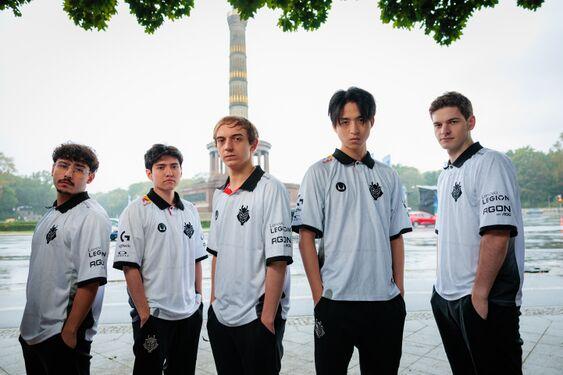
Professional esports teams are built around structured leadership systems that distribute responsibilities across multiple roles. A game leader is typically supported by coaches, analysts, and strategic staff who help refine decision-making processes and prepare for upcoming opponents. This structure ensures that leadership is not isolated but integrated into the entire organization’s workflow.
Teams like G2 Esports are known for their flexible playstyles, where leaders adapt strategies depending on opponents, tournament stages, and even psychological pressure. This adaptability comes from strong internal communication, regular strategy reviews, and well-developed leadership hierarchies that allow quick adjustments mid-series.
Understanding these structures helps fans recognize why some teams succeed consistently while others struggle despite having talented players. Leadership is not only about in-game calls but also about preparation, review sessions, draft strategy, and long-term competitive planning. The more organized a team is behind the scenes, the more effective its leadership tends to be during high-pressure matches.
Tracking Meta Shifts and Player Performance
Another important factor in identifying strong game leaders is tracking meta changes and individual performance trends across patches and seasons. In esports, the meta evolves frequently due to balance updates, new strategies, and evolving champion or character priorities. Strong leaders are those who adapt quickly and guide their teams through these constant changes without losing consistency.
A leader’s effectiveness can often be measured by how well their team responds to new metas during tournaments. Teams that consistently adjust their strategies tend to maintain higher performance levels over time, even when facing opponents who rely on outdated approaches. This adaptability is a key indicator of strong leadership and preparation.
Player performance also plays a major role in evaluating leadership impact. While leadership is a collective effort, individual consistency under pressure often reflects how well a leader manages team dynamics and morale during critical moments. Monitoring these trends helps fans understand which leaders are truly shaping the competitive landscape.
Building Your Own Method for Identifying Game Leaders
Finding your favorite game leaders requires combining multiple analytical and observational approaches. Watching live matches, analyzing statistics, and following expert commentary all contribute to a more complete understanding of leadership in esports. No single method provides the full picture, so combining perspectives is essential.
It is also helpful to compare different teams, regions, and playstyles to build a broader understanding. Each competitive region develops its own style of leadership, from aggressive early-game decision-making to more structured late-game macro control. By studying these differences, fans can better appreciate the diversity of leadership styles in esports.
Over time, developing your own evaluation system helps you identify leaders who match your preferences, whether you value mechanical dominance, strategic depth, or communication skills under pressure.
Conclusion
Finding strong game leaders in esports is a combination of observation, analysis, and understanding team dynamics across multiple levels of competition. Rankings, performance data, and structured team systems all provide valuable insights into leadership quality and long-term consistency. By studying how professional teams operate and adapt, fans can better recognize the individuals who shape competitive outcomes in meaningful ways. Ultimately, the best game leaders are those who combine strategy, communication, adaptability, and composure, making them essential figures in the evolving world of esports.