
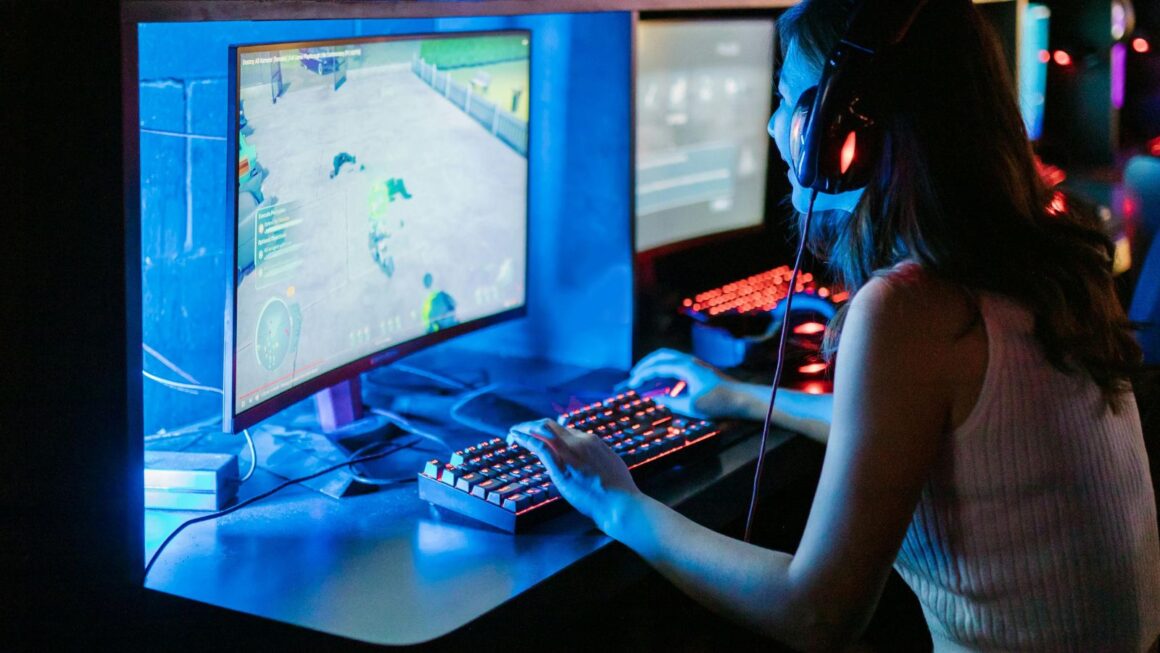
Gaming has grown far beyond a casual pastime. What once started as simple pixel-based entertainment now drives a global industry that influences technology, media, education, and culture. Millions of people spend hours exploring virtual worlds, competing in tournaments, or watching others play online. Behind every game, stream, and esports event stands a wide range of professionals who turn creativity, skill, and strategy into real income. Careers connected to gaming no longer sit on the sidelines—they shape how games are built, marketed, played, and shared.
This article explores the many career paths born from gaming and how passion for play can turn into a sustainable profession.
The Gaming Industry as a Career Ecosystem
The gaming industry supports far more than the people holding controllers. It functions as a broad ecosystem where creativity, technology, and business meet. Every successful game relies on teams that handle design, coding, sound, storytelling, marketing, and community engagement. As games reach larger audiences, studios and independent creators need skilled professionals to manage production, updates, and player support. This growth has turned gaming into a stable career space rather than a risky niche. People with different interests can find roles that match their strengths, whether they enjoy technical problem-solving, creative work, or strategic planning.
Game Development and Design
Game development and design sit at the heart of the industry. Designers shape how a game feels, from mechanics and controls to levels and challenges. Developers bring those ideas to life through code, ensuring the game runs smoothly across platforms. Artists and animators add visual identity, while sound designers create atmosphere through music and effects. As gaming grows more popular, demand for trained professionals continues to rise. This demand has led many well-reputed institutes to offer a game design online degree, making formal education more accessible. These programs help students learn design theory, software tools, and collaboration skills that studios expect. Many professionals enter the field with a mix of education, personal projects, and practical experience.
Programming and Technical Game Roles
Technical roles form the backbone of modern games. Programmers work on gameplay systems, physics, artificial intelligence, and performance optimization. They solve problems that affect how characters move, how worlds respond, and how players interact with the game. Some focus on engine development, while others handle online features like matchmaking and multiplayer stability. These roles require strong logical thinking and comfort with programming languages. As games grow more complex, studios continue to seek developers who can adapt to new tools and technologies. This makes technical careers within gaming both challenging and long-lasting.
Esports: Competitive Gaming as a Profession
Esports has transformed competitive gaming into a structured career path. Professional players train for hours each day, study strategies, and compete in organized leagues and tournaments. Beyond players, esports supports coaches, analysts, team managers, referees, and event organizers. Large competitions require production crews, broadcasters, and marketing teams to reach global audiences. As viewership grows, sponsorships and prize pools increase, creating more opportunities across the ecosystem. Esports careers demand discipline and teamwork, similar to traditional sports, while still staying rooted in gaming culture.
Streaming and Content Creation
Streaming and content creation allow gamers to build careers around personality and entertainment. Streamers share live gameplay, interact with viewers, and create a sense of community. Video creators produce guides, reviews, and highlights that help audiences learn or stay entertained. Income often comes from ads, subscriptions, sponsorships, and fan support. Success in this space depends on consistency, clear communication, and understanding audience interests. While not everyone reaches massive popularity, many creators build steady careers by focusing on niche audiences and authentic engagement.
Game Testing and Quality Assurance
Game testing and quality assurance play a critical role in shaping player experience. Testers spend hours exploring games to identify bugs, performance issues, and design flaws that could frustrate players. This work requires patience, attention to detail, and clear communication. Testers document problems, explain how to reproduce them, and work closely with developers to ensure fixes stay effective. While many people see testing as an entry-level role, it often leads to long-term careers in production or design. As games grow larger and updates are released more frequently, quality assurance remains essential to maintaining trust with players.
Writing, Narrative, and World Building
Storytelling has become a defining part of many modern games. Writers develop characters, dialogue, and plotlines that guide players through immersive worlds. World-building adds depth by creating believable histories, cultures, and motivations. These roles require strong writing skills and an understanding of how players interact with story-driven content. Writers often collaborate with designers to ensure narrative elements support gameplay rather than interrupt it. As players seek deeper emotional connections, studios continue to invest in strong narrative teams.
Marketing, Community, and Brand Management
Games succeed when players feel connected beyond the screen. Marketing and community professionals manage that connection by shaping how games reach and retain audiences. Community managers engage with players across forums and social platforms, respond to feedback, and help maintain healthy discussions. Marketing specialists plan campaigns, partnerships, and launches that match a game’s identity. These roles require strong communication skills and awareness of player expectations. In a competitive market, effective community and brand management can determine whether a game thrives or fades.
Education, Training, and Gaming-Related Learning
Gaming knowledge now supports formal education and training. Instructors teach game development, design, and esports management through online and in-person programs. Trainers create tutorials, workshops, and structured learning paths for beginners and professionals alike. Educational roles focus on sharing skills in clear and practical ways. As gaming tools become more accessible, learning environments continue to expand. Education helps turn interest into ability and prepares the next generation of industry professionals.
Turning Passion into a Sustainable Gaming Career
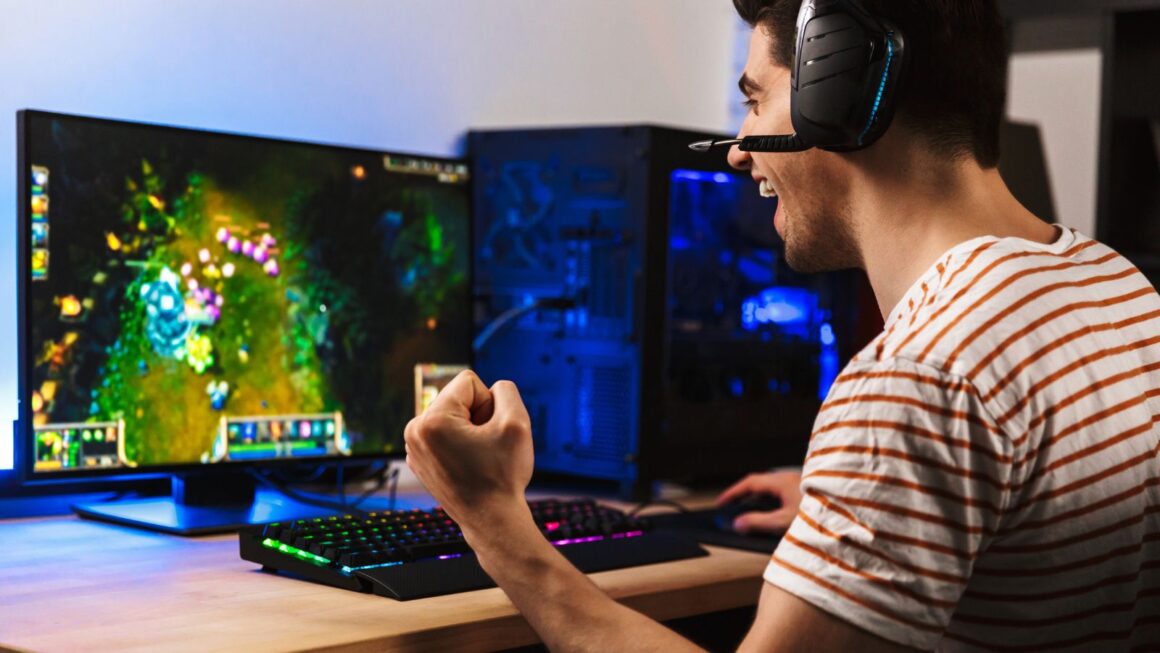
Building a long-term career in gaming requires more than enthusiasm. Professionals need to develop skills, manage time effectively, and stay open to learning. Networking plays a major role, as many opportunities grow through collaboration and reputation. Realistic expectations help individuals navigate competition and changing trends. Those who succeed often treat gaming as both a creative outlet and a professional responsibility. This balance allows passion to support growth rather than burnout.
Gaming careers reflect a shift in how people define work, creativity, and opportunity. What once felt like a personal hobby now supports industries built on collaboration, innovation, and shared experiences. The careers surrounding gaming show that success does not come from a single path, but from many roles working together to create something meaningful. As technology advances and audiences grow, gaming will continue to open doors for those willing to learn, adapt, and contribute with purpose.