
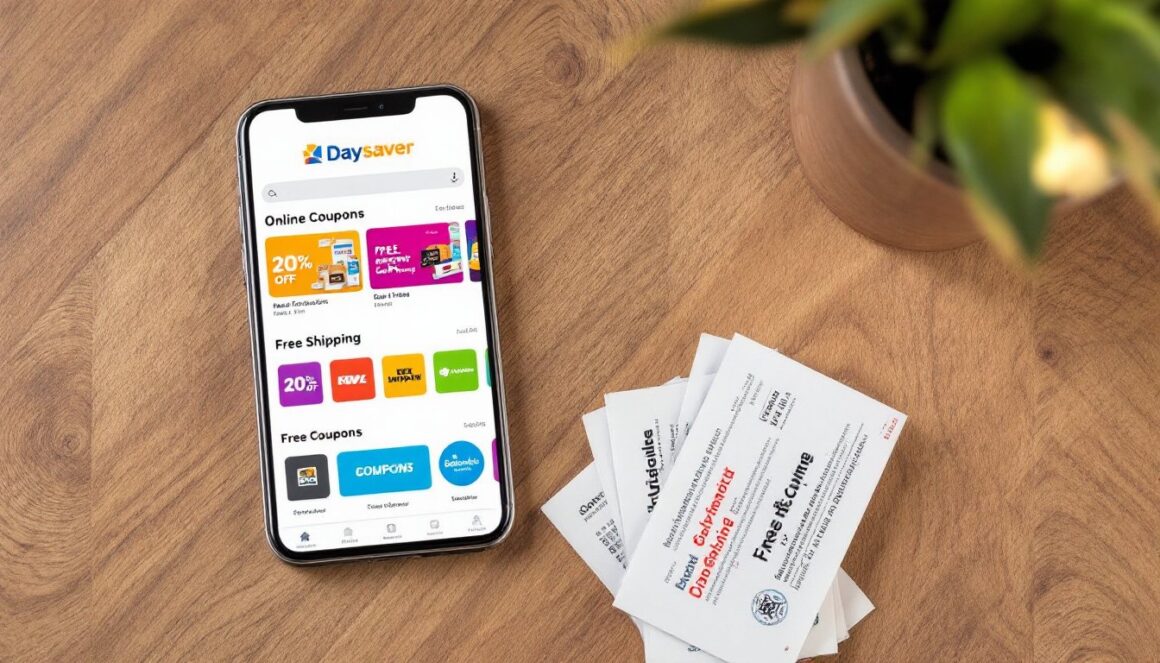
Day-saver.net/ lists daily deals and coupons. The www daysaver.net site helps shoppers find lower prices and timed offers. It updates deals each day and shows simple savings estimates. The guide explains who should use day-saver.net/, how the site works, and how to check deal safety. The reader will get clear steps to save time and money with day-saver.net/.
Key Takeaways
- Day-saver.net is a daily deal aggregator that helps online shoppers find discounted prices, promo codes, and coupons efficiently.
- Users can filter offers by category, price, and expiration to quickly locate the best savings and save searches or set alerts for target prices.
- The site directs users to merchant pages for payment and encourages verifying deals using price trackers and retailer terms to ensure authenticity.
- Day-saver.net respects user privacy with minimal data collection and allows opting out of marketing emails while providing clear navigation for fast coupon use.
- Shoppers are advised to copy coupon codes before checkout and confirm secure payment via HTTPS to protect financial information.
What Day-Saver.net Is And Who Should Use It
day-saver.net/ is a deal aggregator that lists daily discounts, promo codes, and limited-time coupons. The site pulls offers from retailers, coupon networks, and partner promotions. A user can scan categories, view price drops, and compare deal end times. Shoppers who buy online often will find day-saver.net/ useful. Bargain hunters who track price history will also find it helpful. Small businesses that want to mirror public promotions can view current trends on day-saver.net/. The site shows percent-off values and often lists minimum purchase rules. A shopper sees whether a coupon applies to specific brands or requires a promo code at checkout. The interface highlights flash deals and long-running coupons so a buyer can act fast or wait for a better price.
The site suits casual buyers and frequent deal hunters. A casual buyer uses day-saver.net/ to check one or two deals before purchase. A frequent buyer watches several categories and sets alerts when a product hits a target price. Mobile users who prefer short lists will like the compact view that day-saver.net/ offers. People who value speed use the site to skip long coupon searches. The site reduces search time and keeps price alerts in one place. For those who track loyalty programs, day-saver.net/ can help decide when to use points versus a coupon. The site does not replace careful comparison, but it speeds the initial discovery step.
How Day-Saver.net Works — Key Features And Navigation Tips
day-saver.net/ organizes offers by category, retailer, and expiration date. The homepage shows top daily deals with percentage savings and end times. A user can filter by category, price range, and free-shipping flags. The site lists both direct coupon codes and tracked affiliate links. When a user clicks a coupon, day-saver.net/ directs the user to the retailer or reveals a copyable code. The site marks expired codes and archives popular past deals for reference. A reader can sort results by newest, highest discount, or nearest expiry.
Navigation stays simple. The header links point to categories and the search box works with short product names or brands. The filter panel uses checkboxes and numeric ranges for price. A user can create a free account to save favorite deals and set email alerts. The site sends a brief alert when a tracked item drops below a target price. For developers or partners, day-saver.net/ offers a basic API feed for syndicated deals. Merchants can request listing via a partner form and include tracking parameters to measure conversions. The site displays merchant ratings and links to return policies where available so a buyer can confirm terms before purchase.
Tips for faster use: start with a category filter, sort by expiry, and open retailer terms before applying a code. A user should copy the code before visiting checkout pages to avoid missing the code field. For high-ticket items, a buyer should compare the day-saver.net/ price with a retailer price tracker or the brand site to confirm final cost and shipping. Frequent users save searches and review the site’s daily email for curated picks. The site design keeps calls to action clear so a shopper does not waste time hunting for codes.
Safety, Privacy, And How To Spot Legit Deals On Day-Saver.net
day-saver.net/ lists many third-party deals. A buyer should verify each deal before payment. The site flags affiliate links and shows when a link goes to an external retailer. A user should read the retailer’s return and shipping terms on the retailer page. The site does not collect payment. A buyer makes payments only on merchant sites.
For privacy, day-saver.net/ requests a minimal account profile and uses email to send alerts. A user can opt out of marketing emails from the site. The site stores saved searches and alert thresholds in the user profile. A user who wants higher privacy can use an alias email and disable personalized alerts.
To spot a real deal, compare the listed price with a known price tracker and check recent price history on the retailer site. A genuine coupon will apply at checkout and list a visible savings amount. A user should avoid offers that require unusual steps like direct bank transfers or sharing account credentials. If a coupon looks too good, test it on a low-cost item before adding a big purchase to the cart.
For claims about safety in youth sports and related health outreach, external resources provide context. The site links to public awareness pages such as the youth sports heart-safety coalition that explain sudden cardiac arrest prevention. A shopper who values verified deals should also look for merchant contact details and clear refund policies. Finally, a user should keep browser and payment software up to date. Modern browsers show padlock icons for secure checkouts, and a buyer should confirm that the checkout page uses HTTPS before entering payment data.