
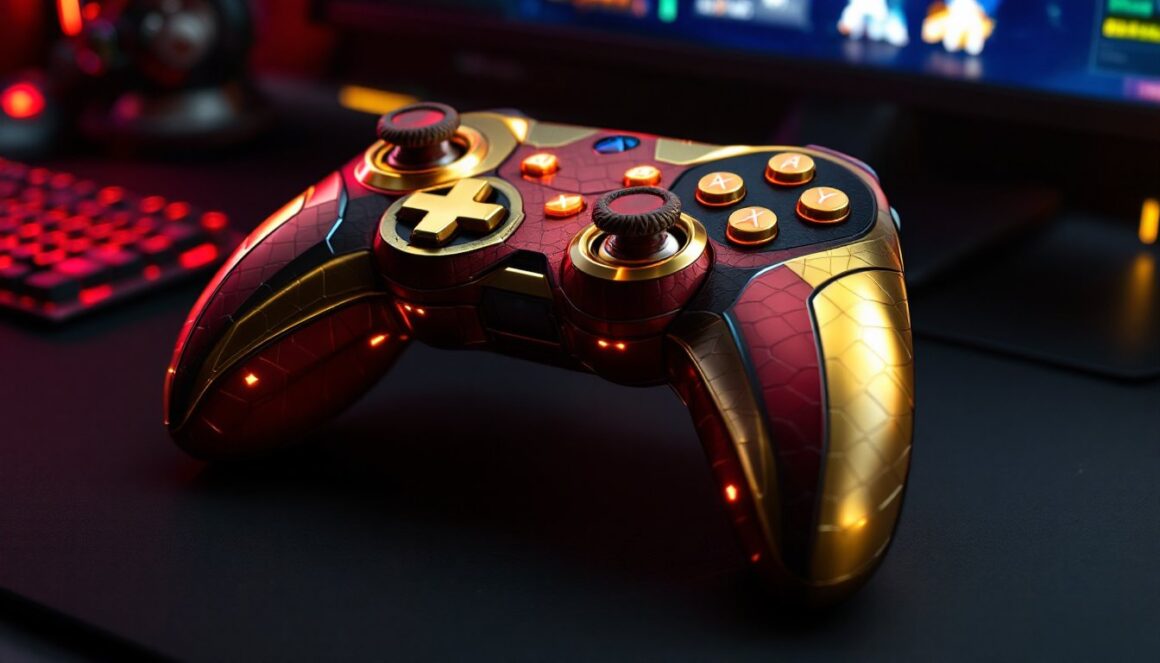
Controllers dragon game news ysavernet arrived as a short statement that changed expectations. The skins nebula games news dysversnet statement lists controller input fixes, latency targets, and cross-platform support. Players read the announcement and plan tests. Teams update their rigs and developers publish patches. This article explains what changed, when changes arrive, and how players should prepare.
Key Takeaways
- Ysavernet’s recent controller update for the Dragon game fixes input mapping errors, reduces latency, and adds calibration with saved profiles to improve gameplay.
- The update rolls out in phases across PC, consoles, and mobile, with regional waves in North America, Europe, and Asia, including upcoming controller-only events for competitive play.
- Controller input improvements lower the skill floor for newcomers while enhancing precision for skilled players, impacting competitive balance and tournament rules.
- Tournament organizers will require standardized, approved controller profiles to minimize disputes and ensure fairness in official matches.
- Players should update firmware, calibrate controllers carefully, and practice standard combos to adapt effectively to the new controller changes.
- Using wired controllers and high-quality cables is recommended for minimal latency, and players should verify third-party controller compatibility to avoid issues during competition.
Breaking Down Ysavernet’s Announcement
Key Controller Changes Reported By Ysavernet
Ysavernet reported several controller updates that affect the Dragon game. The company fixed input mapping errors that caused repeated inputs on some controllers. It reduced target input latency on wired and wireless controllers. It added a new calibration menu that saves profiles per platform. It expanded official support to three third-party controller models. The update also clarified button remap policies for tournaments. Players who follow controller dragon game news ysavernet should check device compatibility lists after the patch.
Release Timeline, Platforms, And Regional Notes
Ysavernet set a phased release schedule for the controller update. The company released the patch first to PC and next-gen consoles. It scheduled mobile and legacy console builds for two weeks later. It will roll the regional builds in three waves for North America, Europe, and Asia. The statement warned that the first wave may include hotfixes on day one. Competitive servers will enable controller-only events after the regional rollouts complete. Gaming sites such as gaming news etruesports covered the timeline and early test notes. Early adopters can follow the publisher notes on etruesports and community threads for patch details.
How Controller Changes Will Affect Gameplay And Competitive Balance
Ysavernet’s changes alter common play patterns. Reduced input latency helps players land tighter combos. Fixed input mapping removes accidental actions that cost rounds. Controller profiles let teams set consistent settings across players. These changes lower the skill floor for new players who use supported controllers. At the same time, the changes raise the ceiling for high-skill players who refine timing.
Tournament organizers will adjust rules. The clarity on button remaps forces standardization. Tournament admins will require approved controller profiles for official matches. That step should reduce disputes about custom mappings. But, players who use unsupported controllers may face delays or disqualification in official events.
The net effect on balance depends on how widely players adopt the supported controllers. If most top players switch, match pacing will shift. Coaches and analysts will track input timing and adapt strategies. For contextual coverage and community reaction, see the weekly roundup on etru esports releases game news.
Practical Tips For Players: Preparing, Testing, And Adapting
Players should prepare rigs and test settings before ranked play. They should update firmware, install the latest game patch, and create saved controller profiles. They should run the calibration tool in a quiet environment. They should record short input tests and compare timings between wired and wireless modes.
Teams should lock a profile for scrims. Coaches should require players to report controller model and firmware. Players should practice standard combos for three days after a patch to rebuild muscle memory. Players who aim for competition should join small private lobbies and time their inputs with a frame counter.
Casual players should test one change at a time. They should enable new remaps and play short matches to assess comfort. They should avoid switching controllers during a ranked session.
For players who want structured training tips, ESPN outlines step-by-step practice habits for moving into competition. The article highlights consistent practice, focused drills, and match review as core steps practice guide. Players who follow these steps may adapt faster to controller changes.
Hardware notes. Players should prefer wired connections for minimal latency during practice. They should use high-quality USB cables and avoid cheap adapters. They should check controller batteries and use a charged spare when possible. If players use third-party pads, they should confirm the exact model in the supported list to avoid surprises on match day.
Community testing. Players should share input logs and profile files in official forums. Developers will likely release additional tuning updates after community tests. Players who join early test groups can influence small fixes and gain a short-term advantage in tournaments.