
A smart betting guide to the 2026 Winter Olympics. Learn which sports are predictable, how odds are built, and where value actually exists.
The Winter Olympics are one of the rare betting events that feel both exciting and intimidating at the same time. Hockey makes sense right away. Sports such as biathlon, ski jumping, or speed skating can feel like guesswork if you’re not familiar with how they actually work.
That gap is where many bettors get tripped up. Olympic betting is not about guessing who looks the part or backing a country because it feels due. Once you understand how these events are structured and what actually decides the outcome, the betting board starts to look far less random. The Slotornado site does not offer sports betting, but it does offer slots, live dealer games, and much more.
How Olympic events actually work
The Olympics do not function like a regular sports season. There is no long runway, no best-of-seven series, and almost no margin for error. Most athletes get one real shot, sometimes two, and that’s it.
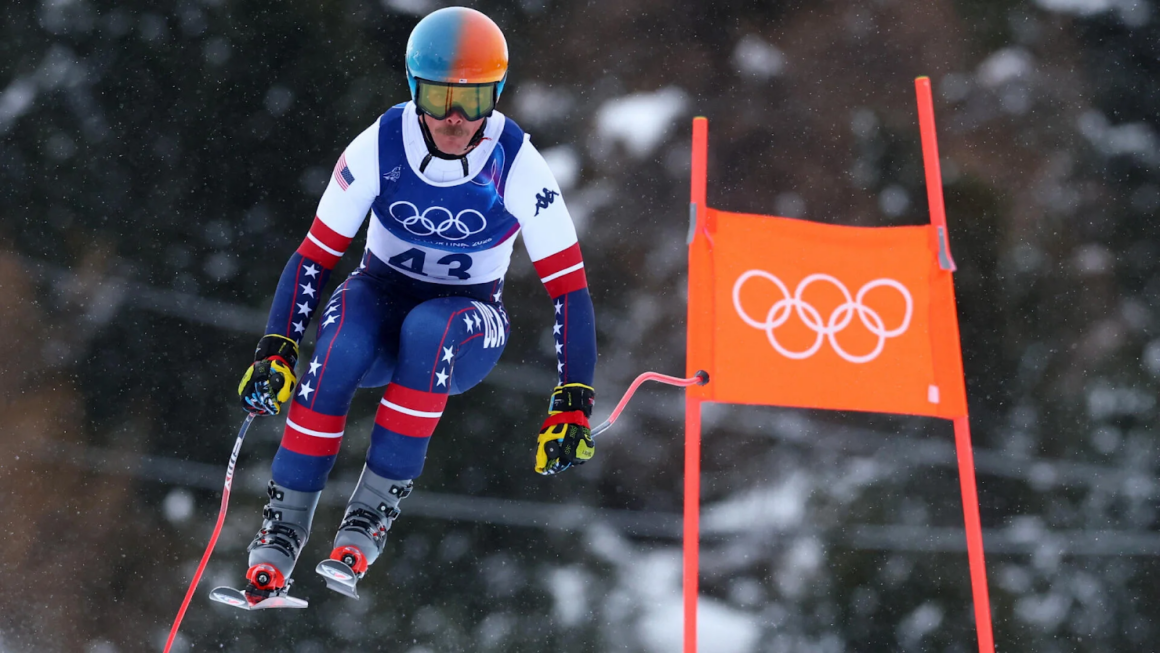
Some sports are straightforward races. Speed skating, cross-country skiing and biathlon come down to time, with penalties layered in. Others, such as alpine skiing, are unforgiving because a tiny mistake at high speed can end a medal chance in an instant.
Team events look familiar on the surface, but they behave differently. Hockey and curling run through compressed tournaments on neutral ice, which changes how favorites perform compared with league play.
Judged sports sit in their own category. Figure skating, freestyle skiing and snowboarding are scored, not timed. Difficulty, execution and reputation all matter, which makes these events feel subjective even when patterns exist.
Which Olympic sports follow the numbers
Predictability at the Olympics has less to do with name recognition and more to do with consistency. Events that reward repetition and system strength tend to follow expectations.
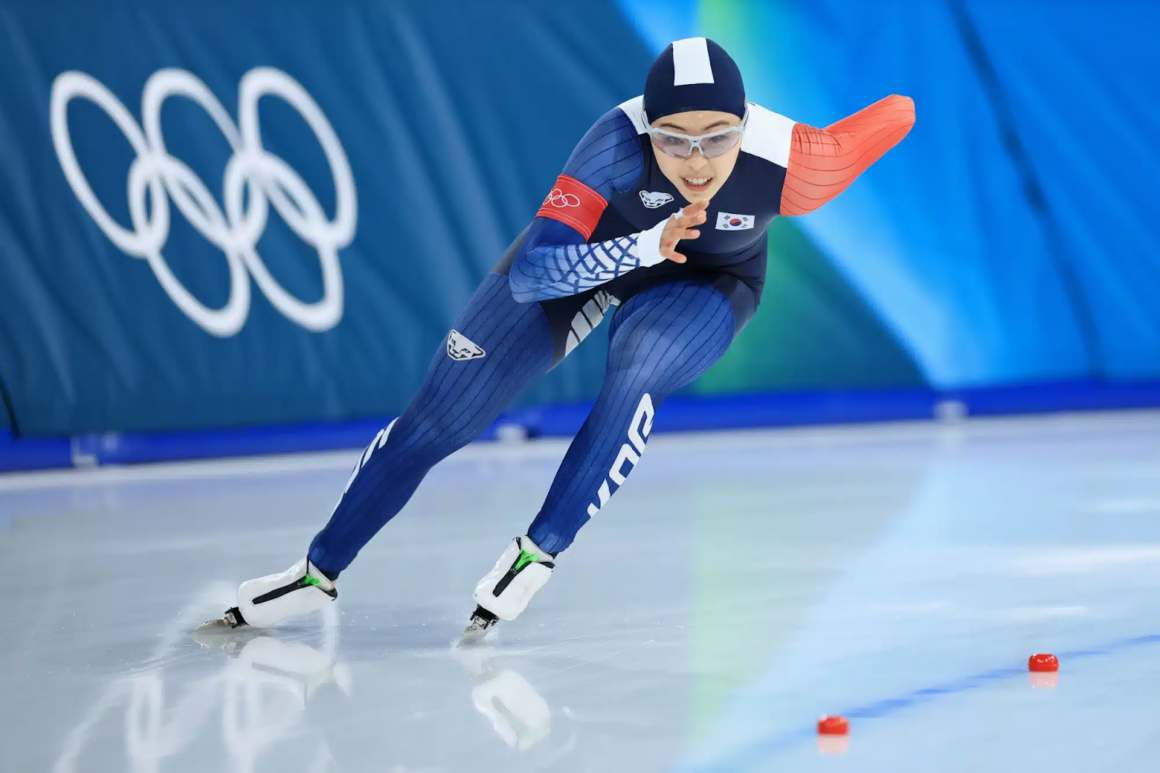
Timed events are the clearest example. Athletes who post elite times all season rarely collapse without warning. Biathlon works the same way, with skiing pace and shooting accuracy tracked long before the Games begin.
Country depth matters more than a single star. Nations such as Norway, Germany and the United States consistently send multiple medal threats in the same discipline. That depth reduces randomness and makes futures markets easier to trust.
Team sports are more stable than many people think once rosters are finalized. Talent gaps still matter, even in short tournaments, especially when games move into elimination rounds.
Where Olympic betting breaks down
The hardest events to bet on are not always the judged ones. Those are often labeled unpredictable, but sportsbooks usually price them carefully based on history, scoring trends and difficulty ceilings.
True volatility shows up in events exposed to conditions or single-run formats. Alpine downhill races, ski jumping and snowboard cross can be affected by weather, visibility or one bad landing.
Public emotion is another hidden factor. Olympic storylines move money fast. Home-country athletes, comeback narratives and viral moments often push odds out of alignment, especially close to competition.
Olympic bets worth making — and why
Futures drive most Olympic betting. Country medal totals, most gold medals and sport-specific winners give bettors time to react to news and adjust.
Event-level bets offer value once competition begins. Head-to-head matchups, qualification props and podium markets often provide better prices than outright winners.
Live betting is frequently overlooked. Races with heats, curling matches and hockey games with unfamiliar matchups can move in ways that reward patience and timing.
Parlays look tempting but come with extra risk. One slip, fall or misjudged turn can wipe out an entire ticket in seconds.
How sportsbooks build Olympic odds
Books lean heavily on international results. World Cup standings, world championships and prior Olympic performances shape early lines.
Public betting behaves differently during the Olympics. Casual bettors flood in, which shortens favorites and inflates long shots with emotional appeal. That movement can create value for anyone paying attention.
Availability still depends on where you live. Some states limit betting on judged events or competitions involving younger athletes, so checking what is actually offered matters.
Prediction markets as a new option
Sportsbooks are no longer the only way to get involved. Prediction markets now offer Olympic questions framed as yes-or-no outcomes rather than traditional odds.
Instead of betting against a house line, users trade based on probability. Prices move with sentiment, news, and positioning, not preset margins.
That setup appeals to bettors who think in percentages rather than payouts. It also introduces a more market-driven way to approach medal boards and big-picture outcomes.
How to bet the Winter Olympics
The Olympics reward preparation. Understanding formats, knowing which sports behave consistently and recognizing where chaos lives can make a real difference.
Sports betting remains the main lane for most fans, especially for hockey, medal futures and live action. Prediction markets are carving out space as a complementary option, particularly for broader outcomes.
Either way, the best Olympic bets come from understanding how these events actually play out, not how dramatic they look on television.