
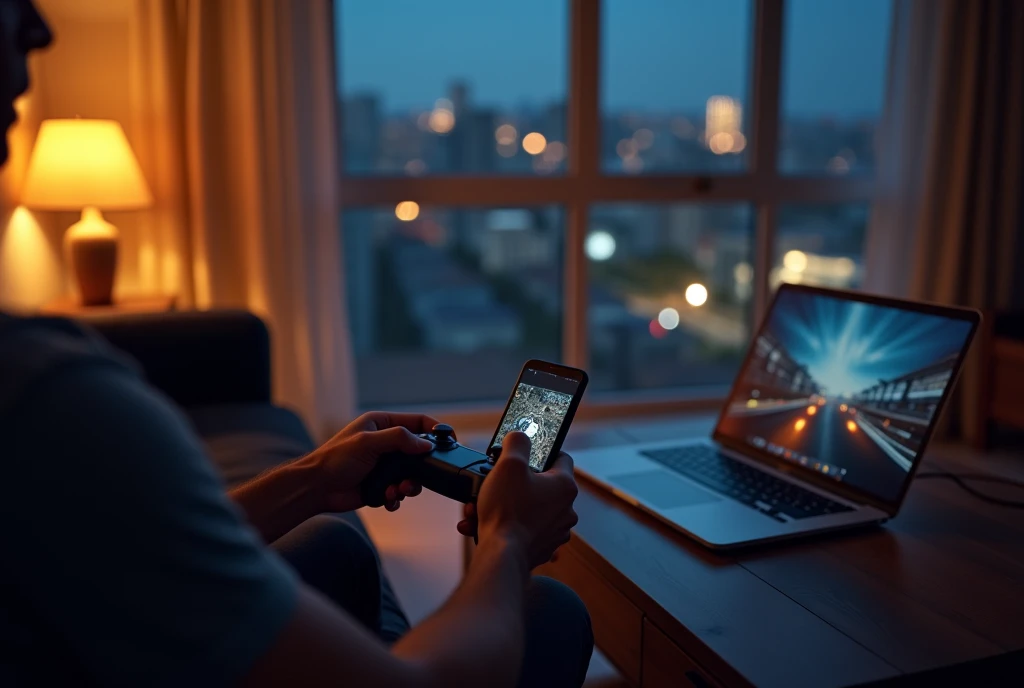
Evening playtime has become an important part of how people unwind after long, structured days. Once work tasks are finished and notifications slow down, attention naturally shifts toward activities that feel rewarding without being exhausting. Many people start by casually browsing on their phones or tablets, checking what options are available for the night. In cities like Austin, this moment often turns into light planning rather than spontaneous action. Someone might compare entertainment formats, look at schedules, or organize a night that fits their mood, in the same practical way they might browse services like austin escort as part of a clearly planned evening instead of an impulsive choice. Optimizing evening playtime is about making these transitions smooth, comfortable, and aligned with real energy levels.
How People Structure Their Evenings Around Playtime
Evenings tend to follow a predictable rhythm. After dinner, attention spans shorten and people become more selective about how they spend their time. Instead of committing to long or demanding activities, many prefer experiences that can be started and paused easily. This structure allows playtime to fit naturally between other evening routines such as conversations, short walks, or relaxation at home.
Time Windows and Energy Levels
Energy levels are not constant throughout the evening. Early evening often allows for more active engagement, while later hours favor lighter interaction. Optimized playtime accounts for this by offering flexible durations and low-pressure formats. People appreciate being able to step away without feeling that they are missing something important or falling behind.
From Passive Browsing to Active Choices
Many evenings begin with passive browsing. Over time, this browsing becomes more focused as people recognize what they actually want to do. Optimized experiences help shorten this decision phase, guiding users toward options that match their current mindset instead of overwhelming them with endless choices.
Digital Tools That Enhance Evening Playtime
Technology plays a key role in shaping modern evening playtime. Well-designed digital tools remove friction and allow people to access entertainment quickly without cognitive overload. This is especially valuable late in the day when patience and focus are limited.

Personalization and Smart Recommendations
Personalized suggestions help users avoid unnecessary searching. When platforms remember preferences or adapt to time-based behavior, they create a smoother experience. Instead of starting from scratch each evening, users are gently guided toward options that feel familiar and relevant.
Simple Interfaces for Late Hours
Clean interfaces matter more at night than during the day. Large buttons, clear navigation, and minimal distractions make playtime feel effortless. When users do not need to think about how to use a platform, they can focus entirely on enjoyment.
Balancing Engagement and Comfort After Dark
Optimized evening playtime strikes a balance between stimulation and comfort. Too much intensity can feel draining, while too little engagement may feel unsatisfying. Successful experiences respect this balance and allow users to control the pace.
Evening Playtime as a Social and Personal Reset
For many people, evening playtime serves as a reset point between daytime responsibilities and nighttime rest. It is not only about entertainment but also about shifting mental focus. Short, engaging activities help disconnect from work-related thinking and create a sense of closure for the day. Some evenings are social, involving chats, shared screens, or parallel activities, while others are intentionally quiet and individual. The value of optimized playtime lies in its adaptability. It can support connection without demanding constant interaction and offer solitude without feeling isolating. When playtime fits naturally into the evening flow, it becomes a stable routine rather than a distraction. This balance helps people end the day with a clearer mind and a more settled emotional state.
Avoiding Overstimulation
Late evenings are not ideal for highly complex or competitive formats. Many people consciously avoid activities that demand constant attention or fast reactions. Instead, they gravitate toward experiences that feel steady and manageable, helping them relax rather than increasing tension.
Creating a Relaxed Decision Environment
Environment matters just as much as content. Dim lighting, quiet surroundings, and comfortable seating influence how people interact with evening playtime. Digital experiences that align with these conditions feel more natural and enjoyable.
Practical Tips for Optimizing Evening Playtime
Even small adjustments can significantly improve evening playtime experiences:
- Choose activities that allow flexible start and stop times
- Reduce notifications that interrupt focus
- Use platforms with saved preferences or quick access options
- Match playtime intensity to your current energy level
- Avoid overloading the evening with too many choices
Conclusion: Making Evening Playtime Work Naturally
Optimizing evening playtime is not about maximizing activity but about aligning entertainment with real-life rhythms. When people respect their energy levels, use intuitive digital tools, and make deliberate choices, playtime becomes a natural extension of the evening rather than a source of stress. Thoughtful structure allows enjoyment to unfold smoothly, leaving people relaxed and satisfied at the end of the day.