
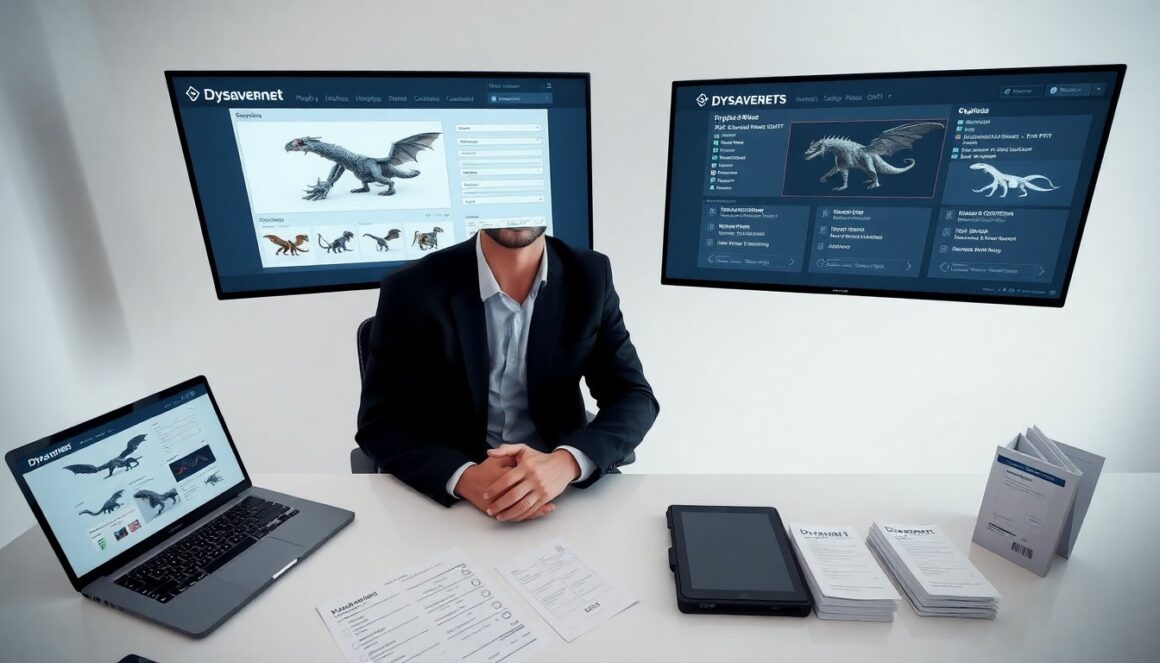
Dysavernet lists dragon art assets for games. The games soundtracks game news daysvernt ebook review tests art quality, file formats, and licensing. The guide helps buyers decide. The article uses clear checks and buying tips.
Key Takeaways
- Dysavernet offers diverse dragon game art assets in multiple styles and file formats, catering to various project needs.
- Buyers should carefully review licensing options and select the appropriate scope to match personal or commercial use.
- The review highlights the importance of evaluating dragon art quality, animation smoothness, and technical specifications for optimal game integration.
- Testing assets in local editors and game engines like Unity or Unreal ensures compatibility and performance before final purchase.
- Verifying seller authenticity through portfolios, reviews, and demo renders helps avoid common purchase pitfalls.
- Negotiating custom edits and confirming delivery terms can enhance the buying experience on Dysavernet while protecting investment.
What Dysavernet’s Dragon Art Offers: Styles, File Types, And Licensing At A Glance
Dysavernet sells dragon art for games. The listing covers 2D sprites, 3D models, and concept pieces. The buyer can find pixel, hand-painted, and photoreal options. The page lists common file types such as PNG, PSD, OBJ, FBX, and GLTF. The seller provides preview images and sample animations.
Dysavernet states licensing terms per asset. The buyer sees personal, commercial, and extended options. The buyer can select single-use or multi-project licenses. The site includes clear royalty notes on each product page. Buyers should match license scope to project needs.
Many users search for “game art dragon review buy dysavernet” before purchase. The phrase appears in listings and community threads. The buyer benefits from sample downloads and image watermarks. The buyer can inspect layer organization in PSD files. The buyer can test model topology and UV maps in OBJ or FBX files.
Dragon art styles affect game fit. Pixel art suits retro games. Hand-painted art fits stylized RPGs. Photoreal models work for cinematic projects. The buyer should confirm animation rigs, bone counts, and texture sizes before purchase.
In-Depth Quality Review: Visual Design, Animation, And Technical Specs
The review measures design clarity, silhouette strength, and color balance. The reviewer checks line weight, shape language, and read distance. The reviewer rates assets on a practical scale for in-game use.
Animation quality varies by pack. The reviewer checks key poses, loop smoothness, and interpolation. The reviewer inspects walk, run, idle, attack, and death cycles. The reviewer tests animation blending and root motion where applicable.
Technical specs matter for performance. The reviewer measures polygon count, LOD availability, and texture resolution. The reviewer notes typical texture sizes such as 1K, 2K, and 4K. The reviewer reports normal maps, metallic maps, and roughness maps existence.
The reviewer confirms engine compatibility. The reviewer tests import into Unity and Unreal Engine. The reviewer checks shader setup and material grouping. The reviewer ensures skeleton naming matches common retargeting schemas.
Many buyers search “game art dragon review buy dysavernet” to confirm technical fit. The review lists known issues and workarounds. The reviewer recommends simple fixes such as retopology, texture downscaling, or re-rigging for specific engines. The reviewer includes sample frame grabs and notes about alpha channels and atlas packing.
Art collecting trends influence demand for dragon art. The market shows higher interest in character collectibles and athlete collaborations. Media coverage highlights art crossovers with sports and celebrity culture in recent years, which can raise asset value and resale interest for game artists. The buyer can compare market signals from industry features such as the Bleacher Report piece on art trends.
Buying On Dysavernet: Pricing, Delivery Process, And Licensing Tips
Dysavernet lists price per asset and bundle discounts. The buyer sees base prices and optional add-ons. The checkout shows final license selection before payment. The site accepts common payment methods.
Delivery happens via direct download or email link. The buyer receives hashed file packages and checksum notes. The buyer can expect a download window and asset previews. The seller may offer revision or edit options for a fee.
The buyer should verify file integrity after download. The buyer should open PSD, OBJ, or FBX files in a local editor immediately. The buyer should confirm animation timelines and texture channels. The buyer should test assets in a staging build before final integration.
The buyer must check the license scope. The buyer should confirm whether in-game monetization, streaming, or print use is covered. The buyer should request written permission for extended rights when needed. The buyer should keep purchase receipts and license files for record.
Many shoppers search “game art dragon review buy dysavernet” to compare prices. The guide lists practical negotiation points such as custom texture sizes, alternate rigs, or source file access. The guide recommends asking for timestamps on custom edits and delivery milestones.
How To Verify Authenticity And Avoid Common Purchase Pitfalls
The buyer should confirm seller identity. The buyer can check portfolio timestamps and transaction history. The buyer should request demo renders or watermarked previews with a specific pose. The buyer should compare metadata and file creation dates.
The buyer should read reviews and dispute records. The buyer should avoid sellers with repeated license complaints. The buyer should test one asset before ordering a bulk pack. The buyer should backup original downloads and record license keys.
Searches for “game art dragon review buy dysavernet” help buyers find peer feedback. The buyer should weigh peer reviews with technical tests. The buyer should prioritize assets that import cleanly and match project constraints.