
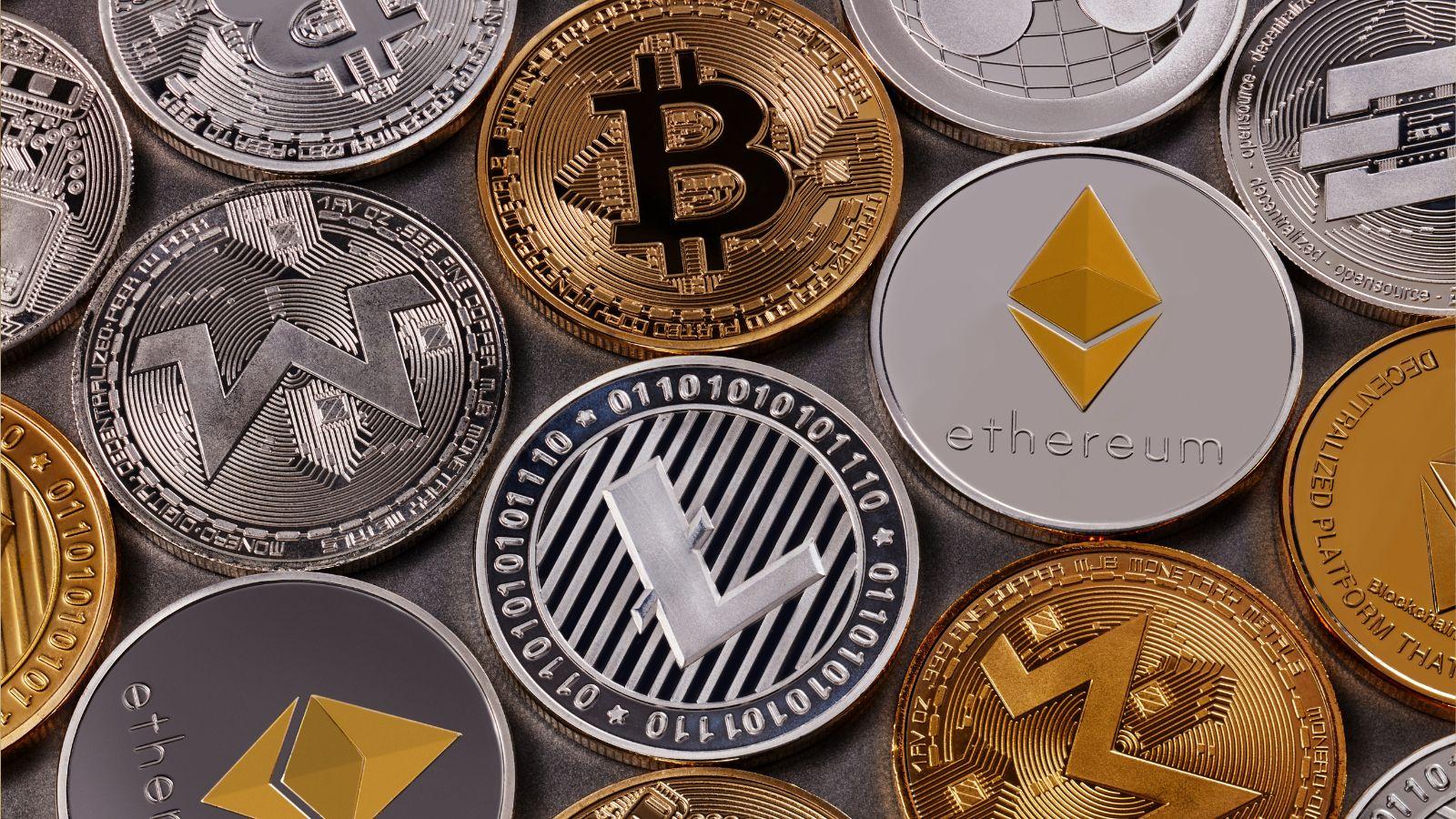
Cryptocurrency settlements in the online gaming industry have established themselves as a fast, global, and transparent way to manage balances and request winnings withdrawals, and in this context, Iris Casino attracts particular attention. Digital coins make it possible to avoid interbank restrictions, provide decentralized payment infrastructure, and allow users to choose a network with suitable fees and confirmation times. On-chain transfers are recorded on the blockchain, making every transaction traceable, which increases security and reduces the possibility of disputes. In addition to flexibility, the irreversibility of payments also plays an important role, simultaneously encouraging discipline and requiring careful verification of entered data. Moreover, volatility risks are effectively reduced through the use of stablecoins pegged to fiat currencies such as USD. Meanwhile, advanced authentication practices, cold wallet storage, and address whitelists significantly improve platform security even with high transaction volumes. It is precisely the combination of speed, predictable costs, and modern security protocols that makes crypto a logical choice in today’s online casino environment. The nuances described below help explain network differences, deposit/withdrawal specifics, fee dynamics, and risk management principles for crypto payments.
Most Popular Coins and Networks
In practice, the most commonly used coins are Bitcoin (BTC), Ethereum (ETH), Tether (USDT) on various networks, USD Coin (USDC), Litecoin (LTC), Tron (TRX), Binance Coin (BNB) on BNB Smart Chain (BEP-20), Solana (SOL), and XRP. Selection criteria usually include fees, network congestion, number of confirmations, and compatibility with the casino’s specified deposit address format. USDT and USDC are popular as USD-pegged stablecoins, while the choice between TRC-20, ERC-20, BEP-20, or Solana depends on the combination of fees and speed. BTC offers a high level of security and broad exchange support, though fee fluctuations correlate with mempool congestion; ETH provides a developed ecosystem and DeFi infrastructure, but transaction costs depend on gas prices and network activity. TRX and BNB chains provide lower fees and shorter block times, making them convenient for small and frequent transfers, while LTC and XRP are known for relative speed and stable fees. The SOL ecosystem attracts users with low fees and fast confirmations, which is especially convenient for active gaming sessions.
Network selection during deposits is highly important because USDT TRC-20 and USDT ERC-20 are not mutually compatible: addresses and tokens must exactly match the specified standard. USDC may also be issued on multiple networks, including Ethereum and Solana, so the token standard must be confirmed before sending. If the casino specifies a BTC SegWit address (ending with bc1), it should not be confused with other formats; similarly, ERC-20 tokens should not be sent to BSC addresses, even if they visually appear similar (0x prefix), because the chains are different. The correct combination of network and coin is a prerequisite for successful balance top-ups without delays or irreversible losses.
Examples of Real Games with Crypto Balances
Using a crypto balance is fully compatible with content from leading studios: NetEnt offers Starburst with lower volatility for faster gameplay, Pragmatic Play stands out with Gates of Olympus featuring higher volatility and potentially large multipliers, Play’n GO provides the classic “book” mechanics in Book of Dead, while Games Global (formerly Microgaming) is known for the progressive jackpot Mega Moolah. Additionally, Big Time Gaming with Bonanza can be mentioned as a standard example of Megaways mechanics, and Relax Gaming with Money Train 2 offers high-volatility gameplay. Such a game selection clearly demonstrates that a crypto balance is essentially just an account denomination: all other functionality, bonus calculations, and round outcomes follow provably fair or certified RNG schemes according to provider standards.
Iris Casino Deposits/Withdrawals in Crypto
Crypto operations usually begin with generating a unique deposit address on a specific network. After the funds are credited and a certain number of confirmations is reached, the balance is updated automatically. Minimum thresholds and maximum limits depend on the coin and network; for stablecoins on TRC-20 they are usually lower, while on ERC-20 they are higher due to fees. Special attention should be paid to compatibility: addresses and networks must match the provided instructions, otherwise the transaction cannot be recovered. Withdrawal requests are subject to verification and risk-control steps, including KYC/AML compliance, as required by regulatory environments and service provider policies. Withdrawals are processed in queues based on network confirmations and defined frequencies; more detailed information is available in the payment section and is updated according to market conditions. The security policy includes 2FA protection for sensitive actions (such as address changes and withdrawal requests) in order to reduce unauthorized access.
For fast withdrawal requests, networks with short block intervals and low fees such as Tron and BNB Smart Chain are particularly suitable, though the decision should be made based on the networks supported by the user’s wallet. BTC timing depends on the mempool and the selected fee profile; a higher fee level speeds up block inclusion, which is important if withdrawals are needed within a specific time window. In ETH transaction planning, gas limits and the EIP-1559 mechanism are useful, where the base fee adjusts according to network congestion, while TRC-20 generally maintains stable fee dynamics even during periods of high activity.
Fees, Waiting Times, Volatility
Fee amounts and waiting times for crypto transactions differ depending on chain design, consensus algorithm, and market activity. Certain benchmarks help with decision-making: BTC block time is approximately 10 minutes, ETH takes tens of seconds, Tron and BNB around 3 seconds, while XRP and Solana are even faster, though occasional network fluctuations are possible. Volatility affects the deposit value relative to the gaming currency if conversion occurs at settlement time; to reduce this factor, many users choose stablecoins supported by multiple exchanges and wallets.
|
Coin/network |
Typical block/confirmation time |
Confirmations |
Fee range (USD) |
|
BTC (on-chain) |
~10 min/block |
1–3 |
0.50–5.00 (depends on mempool) |
|
ETH (ERC-20) |
~12–60 sec |
12–35 |
2.00–10.00 (gas fluctuations) |
|
USDT (TRC-20) |
~3 sec/block |
10–20 |
0.00–1.00 |
|
BNB (BEP-20) |
~3 sec/block |
10–20 |
<0.20 |
|
LTC |
~2.5 min/block |
6 |
0.05–0.50 |
|
XRP |
~4–6 sec |
Notary layer |
<0.01 |
|
SOL |
~0.4–1 sec |
Short finality |
<0.01 |
Three principles are useful for practical payment flows. First, plan transactions during lower congestion hours, as this reduces fees and speeds up confirmations (especially for BTC and ETH). Second, choose a low-fee stablecoin network if exact amounts and speed are important (TRC-20, BEP-20, or Solana). Third, for larger volumes, set appropriately higher fees to avoid getting stuck in the mempool; BTC supports Replace-By-Fee, which allows fees to be increased after transaction creation if the original fee was insufficient.
Network Selection Practices
A long-term strategy usually involves two scenarios: using stablecoins for everyday sessions and transferring larger BTC/ETH balances less frequently, at optimal times and with carefully selected fee profiles. This approach provides both budget control and flexibility if there is a need to quickly move funds from the platform to a personal wallet.
Wallet Security and 2FA
The foundation of crypto security is control over private keys. Non-custodial wallets with seed phrases provide full control over funds but require discipline in backup storage; hardware wallets (for example, devices with secure elements) isolate keys from online environments and reduce malware risks. Custodial solutions are convenient when quick coordination between exchanges and casinos is required, though they should always use 2FA and strict access management.
Two-factor authentication is usually implemented as TOTP (time-based codes in a mobile authenticator), push confirmations, or U2F/FIDO2 security keys. 2FA should be enabled for all sensitive actions: logging in, requesting withdrawals, changing addresses, and generating API keys. Withdrawal whitelists strengthen protection: withdrawals are only allowed to pre-approved addresses, significantly complicating fraudulent manipulation even if an account is temporarily compromised. Anti-phishing codes in emails and notifications help identify official communication, while session management and login history help detect suspicious activity in time. Another layer is a withdrawal lock window after password/2FA changes: such a “cooldown” provides time to react if access has been changed without authorization.
Lack of Reversibility: Risk Management
Blockchain transactions are irreversible: once confirmed, they cannot be canceled with a traditional “chargeback.” Therefore, address validation before sending is critically important, including comparing QR codes and text strings, checking final characters, and verifying the network (for example, USDT TRC-20 versus USDT ERC-20). Saving addresses in whitelists and using test transfers before sending larger amounts significantly reduces the risk of mistakes. Stablecoins help absorb exchange-rate fluctuations between deposit and withdrawal moments; for additional security, price alerts and immediate conversion after receipt can be used if supported by the payment flow.
AML and transaction-risk filters are applied for withdrawal security: if links to high-risk sources are detected, additional verification may be required. Such policies protect both the platform and participants from risks associated with illicit funds while maintaining stable withdrawal throughput in everyday operations. From a technical perspective, it is recommended to monitor mempool conditions for BTC transactions, choose RBF if acceleration is needed, and avoid unrealistically low fees during periods of heavy network congestion. In the ETH environment, gas base levels should be evaluated and sufficient priority fees added; in the case of Tron/BNB/Solana, a small “gas buffer” should be maintained in the wallet to ensure future transactions are executed without interruptions.
FAQ About Crypto Payments
Which network is the cheapest for everyday deposits?
In practice, low costs are provided by Tron (USDT TRC-20), BNB Smart Chain (BEP-20), and Solana, where fees are usually at the cent level or below one dollar. The choice is also influenced by wallet and exchange support: if the preferred network is easily accessible on both sides, it will be the most convenient option for everyday settlements.
How quickly are withdrawals processed?
Processing time depends on verification steps and the selected network. After confirmation, on-chain speed is determined by block intervals and fees: Tron/BNB stand out with processing in tens of seconds, while BTC may require from one to several block hours if the mempool is congested.
What happens if a coin is sent to the wrong network?
Depending on the situation, funds may be lost irreversibly. In some cases, recovery is possible if the recipient controls the keys and both networks share similar address structures, but casino deposit addresses are generally not intended for such recoveries. To prevent errors, it is recommended to use a test transfer and verify network compatibility before making larger transactions.
How can volatility risk be reduced?
The most effective solution is stablecoins (USDT, USDC) on low-fee networks; additionally, instant conversion is useful if gameplay is planned in a specific currency. Price alerts and a “threshold rate” for conversion decisions can also be used. For larger amounts, splitting transfers into multiple transactions is a rational approach.
Is “chargeback” possible with crypto payments?
No, blockchain transactions are irreversible once included in a block. Dispute resolution relies only on the platform’s internal procedures; therefore, address validation, 2FA, and whitelists are essential, along with using unique communication channels for withdrawal notifications.
Why do fees sometimes change so rapidly?
Fees reflect the dynamics of network supply and demand: during periods of heavy congestion (ICO launches, NFT activity, market turbulence), fees increase so that transactions are included in the next blocks. BTC and ETH are especially affected, while Tron/BNB maintain more moderate cost profiles. Proper timing and correct fee settings help maintain predictability.
What should be done if a transaction gets “stuck”?
In the case of BTC, RBF and Child-Pays-For-Parent (CPFP) mechanisms are useful, as they allow the effective fee to be increased. In the ETH environment, a “speed up” can be performed with a higher gas price. Networks with fixed low fees rarely experience prolonged delays, but sufficient gas reserves should always be left for future transactions.
Which 2FA methods are safer?
U2F/FIDO2 hardware keys and TOTP authenticators without SMS are considered safer because text messages are vulnerable to SIM-swap risks. It is also recommended to activate withdrawal whitelists, anti-phishing codes, and withdrawal cooldown periods after security setting changes to make account takeover scenarios more difficult.